- -€1.67
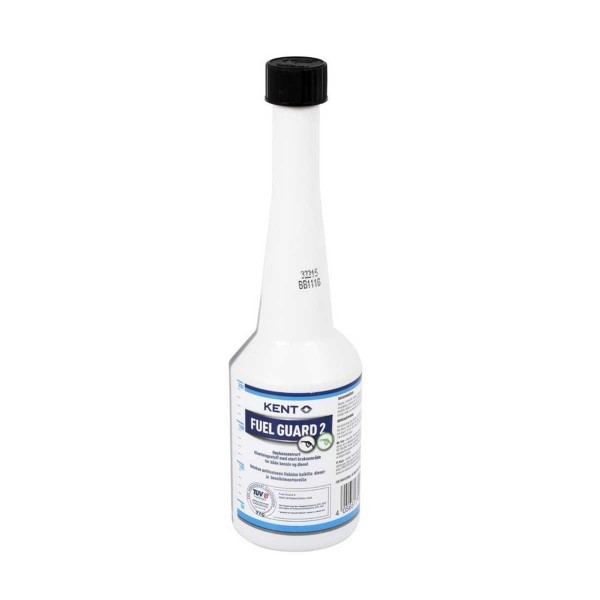
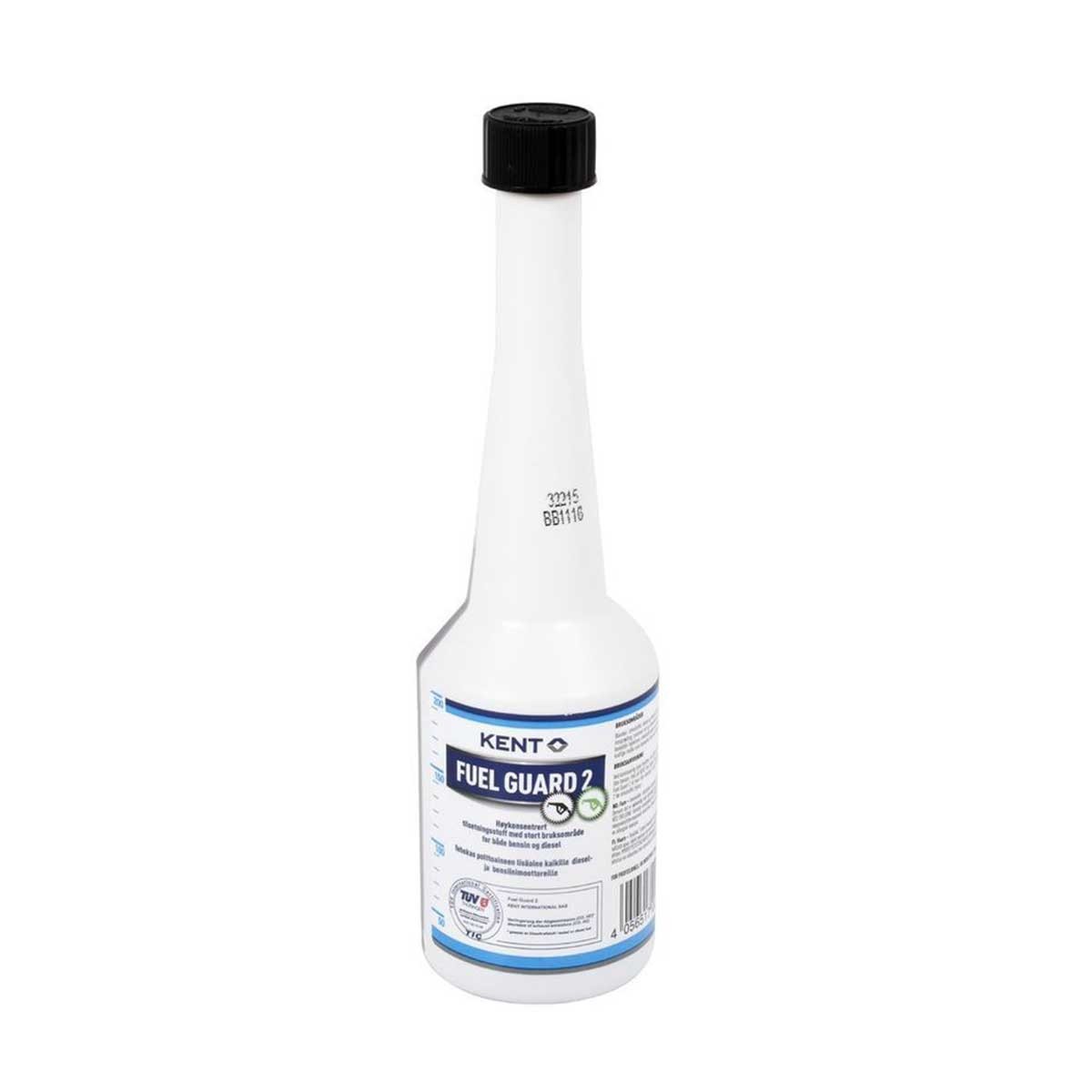
Fuel Guard II Fuel Cleaner
Ref.
ET218
Kent Fuel Guard II is a gasoline and diesel fuel system cleaner.
This product is particularly useful for boats during periods of inactivity, to prevent fuel oxidation, injection system deterioration and fuel tank corrosion caused by humidity (condensation).
ET218
Data sheet
- Product type
- Fuel Treatment
Features and Benefits:
- Volume: 250 ml
- For use in gasoline and diesel fuel
- Lubricates fuel components
- Disperses water in the fuel
- Ashless dispersant
- Contains antioxidants
- Extends the service life of pumps and injectors
- Prevents corrosion and fungal and microbial contamination
- Does not strip or damage engine parts; reduces deposits on intake valves and fuel injection system components
Applications:
This product was primarily developed as a cleaner and lubricant.
The other components provide lubrication, anti-corrosion, antioxidant, and anti---wear properties to ensure the engine continues to operate properly.
It contains an improved dispersion system that eliminates water contamination in the fuel system to prevent corrosion and the growth of micro-.
This product is a fuel system cleaner for gasoline and diesel engines. Compatible with all common unleaded diesel and gasoline fuels (including E10), red diesel, GNR, and bio-diesels.
Removes deposits (gum, resin, and tar, which are present in all fuels) from internal components while also lubricating moving parts.
Instructions:
As a preventive (ongoing) treatment: Add 1 ml per 1 liter of fuel—for example, 50 liters of fuel require 50 ml. Add the product to the fuel tank before adding fuel. Repeat before each time you fill the tank.
As a curative cleaner for the fuel line and injection system (rapid): Add 5 ml per 1 liter of fuel—for example, 50 liters of fuel require 250 ml. Add the product to the fuel tank before adding fuel.
As a storage/winterization additive for boats: It is recommended to add 250 to 500 ml per 50 liters of fuel (5 to 10 ml per liter). Immediately before winterizing the boat, add the product to the fuel tank before adding fuel. For maximum protection, the boat should be stored with the fuel tank completely full. After the storage period, the engine can run normally without draining the fuel tank. For storage periods longer than 6 months, it is recommended that the engine be started and checked to verify that the old fuel is burning properly before putting the vehicle back on the road.
Customer Reviews (0)
No customer reviews for the moment.
Sign in to leave a review
Questions / Answers