- -€72.58
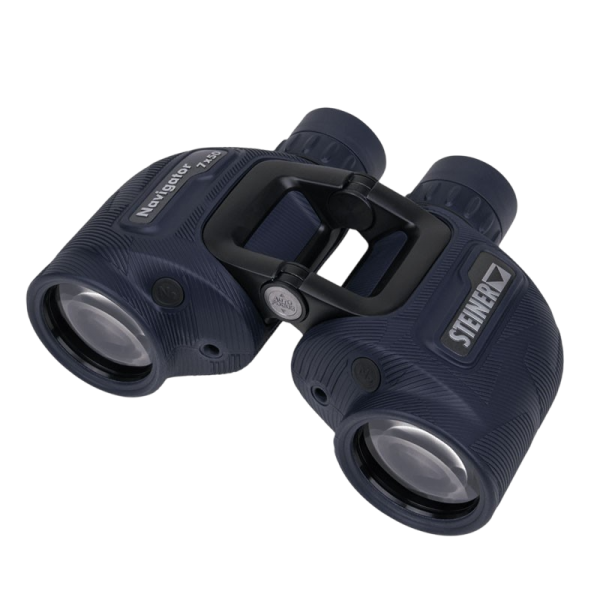
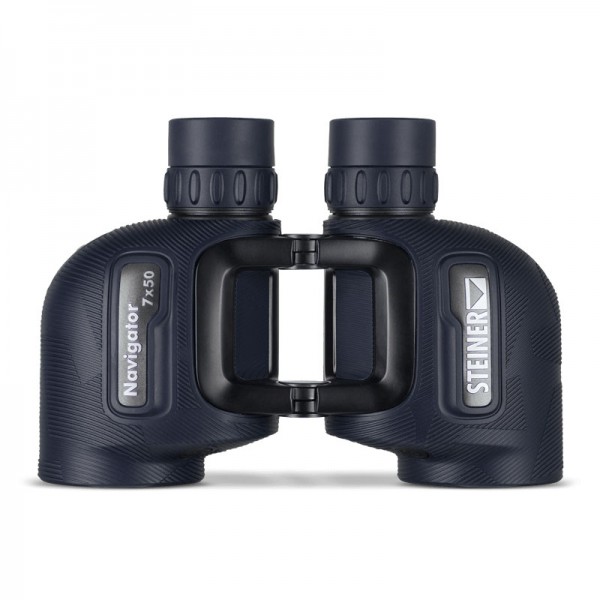
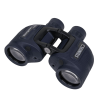
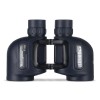
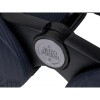
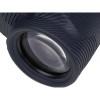
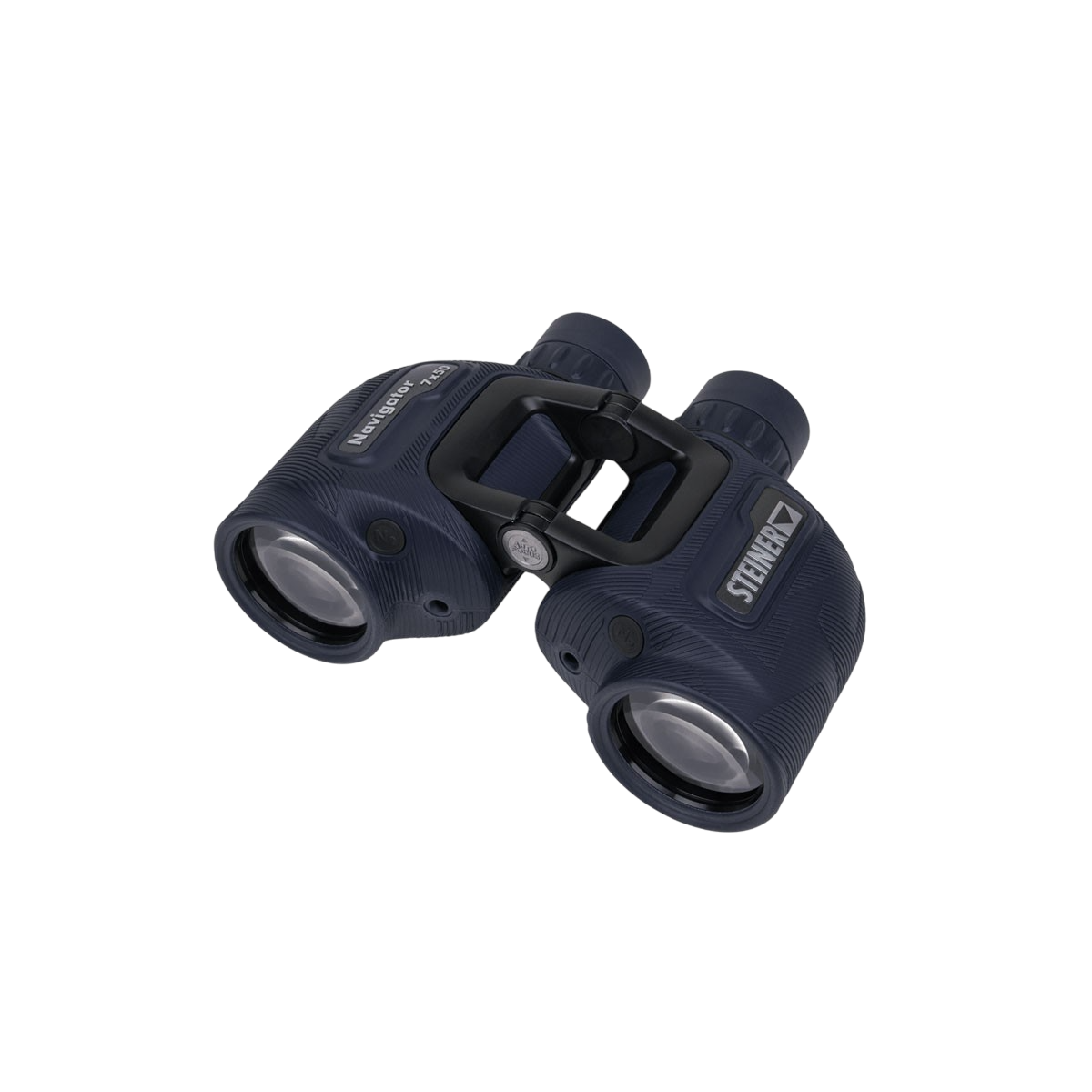
Navigator 7x50 marine binoculars
Ref.
68995
2 reviews
The Navigator range from Steiner is dedicated to boaters for whom every detail counts. An image that's always sharp and bright, with a high-performance optical system to withstand marine conditions. A high-performance range offering excellent value for money for demanding users.
68995
Data sheet
- Range
- Navigator
- Product type
- Binoculars
- Magnification / Optics
- 7 x 50
- Focusing
- Autofocus
STEINER - NAVIGATOR 7 x 50 - QUALITY AND ROBUSTNESS
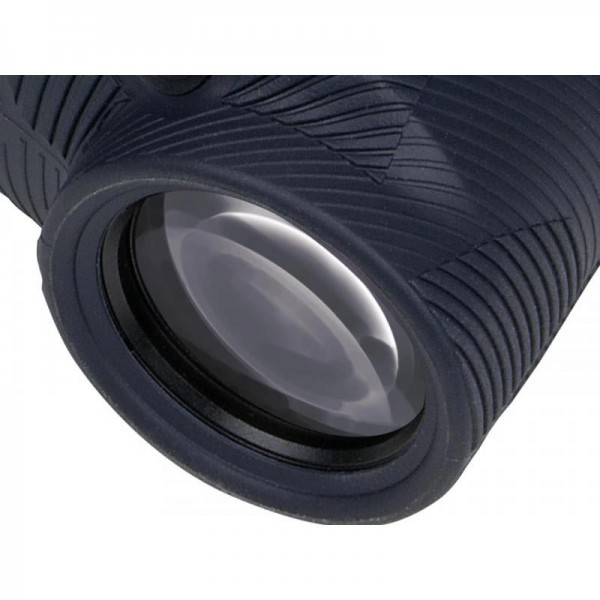
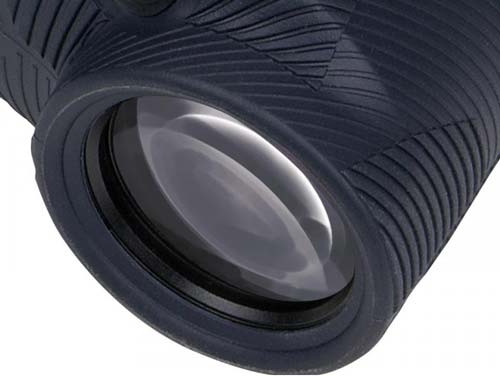
STEINER Navigator 7x50 marine binoculars offer exceptional optical image quality. With x7 magnification and a 50mm-diameter objective lens, they offer clear, bright, stable vision even in poor conditions.
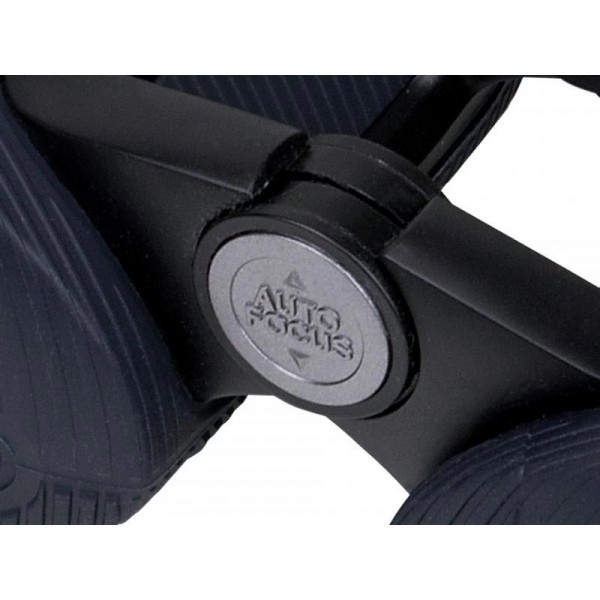
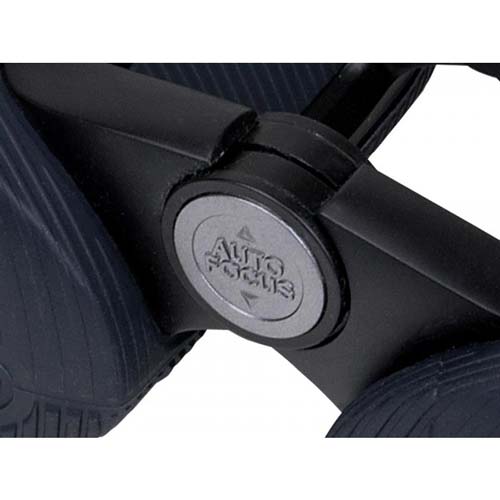
Once meticulously adjusted, its auto-focus requires no further adjustment and gives you the sharpest focus, instantly, from 20 m to infinity... even when handling the binoculars with just one hand.
An enlarged field of view of 128 m (at 1000 m) makes guiding easier, so you can anticipate, for example, a harbor entrance.
Waterproofing to 5m is ensured by filling the housing with nitrogen. No fogging or dust inside the lenses over a temperature range of -20°C to +70°C.
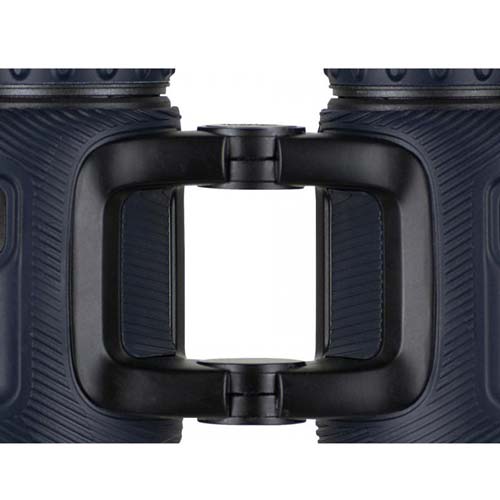 |
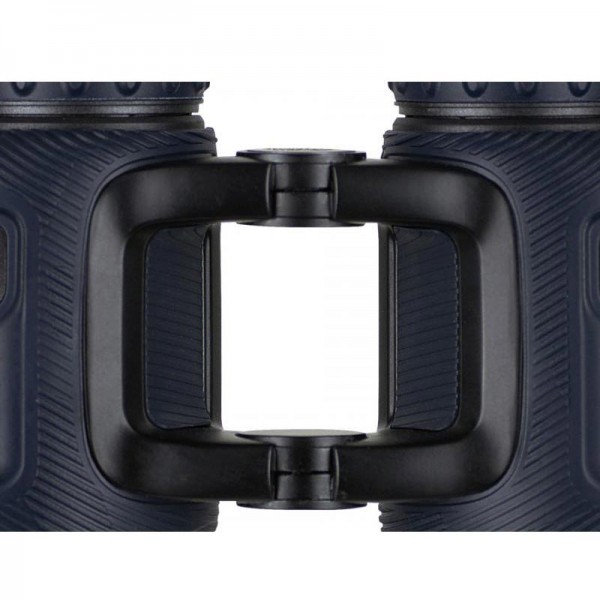
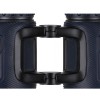
OPEN BRIDGE SYSTEM - PERFECT ERGONOMICSThe Open-Bridge -Sytem enables precise, easy adjustment of the lens spacing, making binocular handling easier, even with just one hand, for safer, more efficient navigation. Combined with the rubber coating on the outside, this ensures optimum ergonomics. |
AUTO-FOCUS STEINERThe auto-focus Steiner is one of the most powerful on the market. Precisely adjusted to your vision, it requires no further adjustment. With its 7x magnification, you'll enjoy a perfectly sharp image, whatever the distance to the object you're aiming at, from 20 m to infinity. An invaluable time-saver. |
 |
 |
ULTRA-ROBUST AND SHOCK-RESISTANTThe Makrolon (polycarbonate) housing offers shock resistance equivalent to 11G. The prisms are mounted on a system of floating silicone suspensions, protecting them from even the strongest impacts. The outer rubber coating provides a comfortable grip and water-repellent properties, protecting the housing from scratches. |
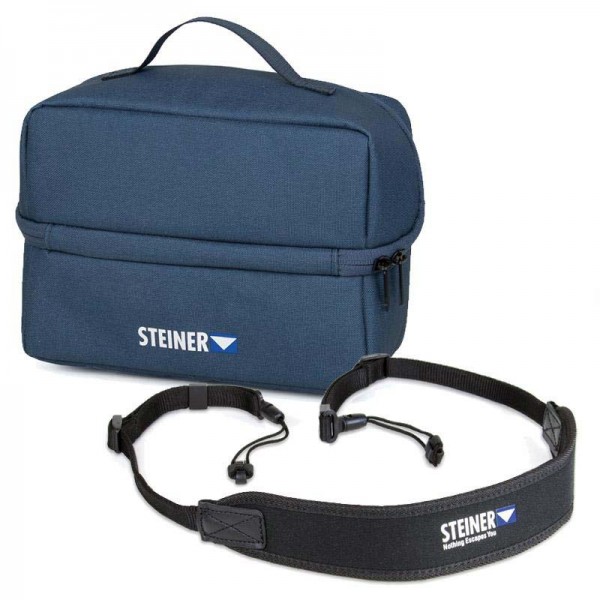
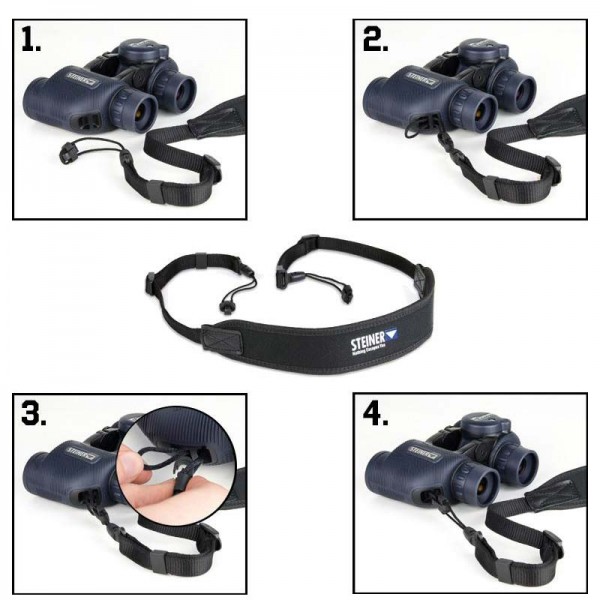
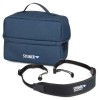
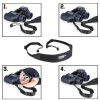
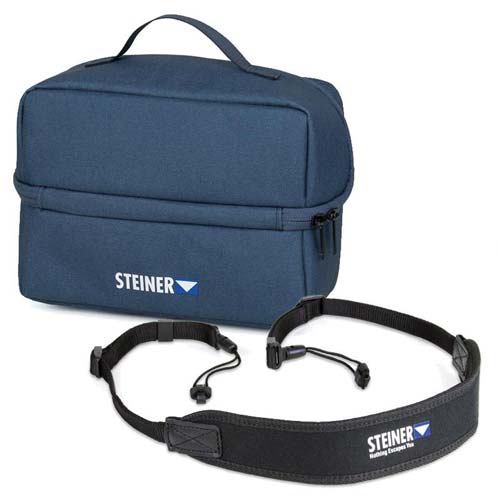
QUALITY ACCESSORIESSteiner binoculars come with an accessory pack including :
|
 |
STEINER NAVIGATOR BINOCULARS PRODUCT PRESENTATION
NAVIGATOR 7x50 TECHNICAL SPECIFICATIONS
| Magnification | x 7 |
| Lens diameter | 50 mm |
| Exit pupil | 7.14 mm |
| Focusing | Autofocus |
| Water resistance | 5 m (nitrogen-filled) |
| Field of view | 128 m to 1000 m |
| Brightness | 51 |
| Twilight factor | 18,7 |
| Weight | 1040 g |
MAIN POINTS :
|
BOX CONTENTS :
|
Accessories


Questions / Answers (5)
Hello, what is the real range of the Navigator 7x50 Steiner binoculars at sea?
Loïc, the 22/04/2025
Hi Loïc, Steiner Navigator 7x50 binoculars have a field of view of 128 meters at 1000m.
Comptoir Nautique Team
Are Steiner binoculars resistant to fog and condensation?-
Béatrice, the 22/04/2025
Hello Beatrice, with their nitrogen pressurization system, there's no mist or water formation. You can therefore use it without any problem in high-humidity conditions.
Comptoir Nautique Team
Does-my Navigator binoculars offer good vision in low light or at night?
Sylvain, the 23/04/2025
Hello Sylvain, Steiner Navigator binoculars have a twilight factor of 18.7, which is an indicator of the binoculars' ability to provide a sharp, detailed image in low light. A twilight factor >20 is excellent.
Comptoir Nautique Team
Hello, how do I care for my binoculars so that they last longer?
Patricia, the 23/04/2025
Hello Patricia, regular care and cleaning of your binoculars will prolong their life.
- Clean the lenses by blowing on them to remove dust and sand, or use a clean cloth with a non-corrosive product.
- Wipe the body of your binoculars to remove dust and salt, and rinse-with fresh water if necessary.
- Always replace lens caps and optics after use and store-them in their carrying case.
Comptoir Nautique Team
What's the difference between Steiner marine binoculars and conventional binoculars?
Kévin, the 23/04/2025
Hello Kévin, Steiner marine binoculars are specifically designed for use at sea. They are waterproof, fogproof, shockproof and resistant to salt, humidity and UV rays. They also offer excellent visibility day and night, and a stable image thanks to their large lenses.
In contrast, conventional images are designed for terrestrial use. They often have higher magnification, but are less stable at sea, less waterproof and less robust.
Comptoir Nautique Team